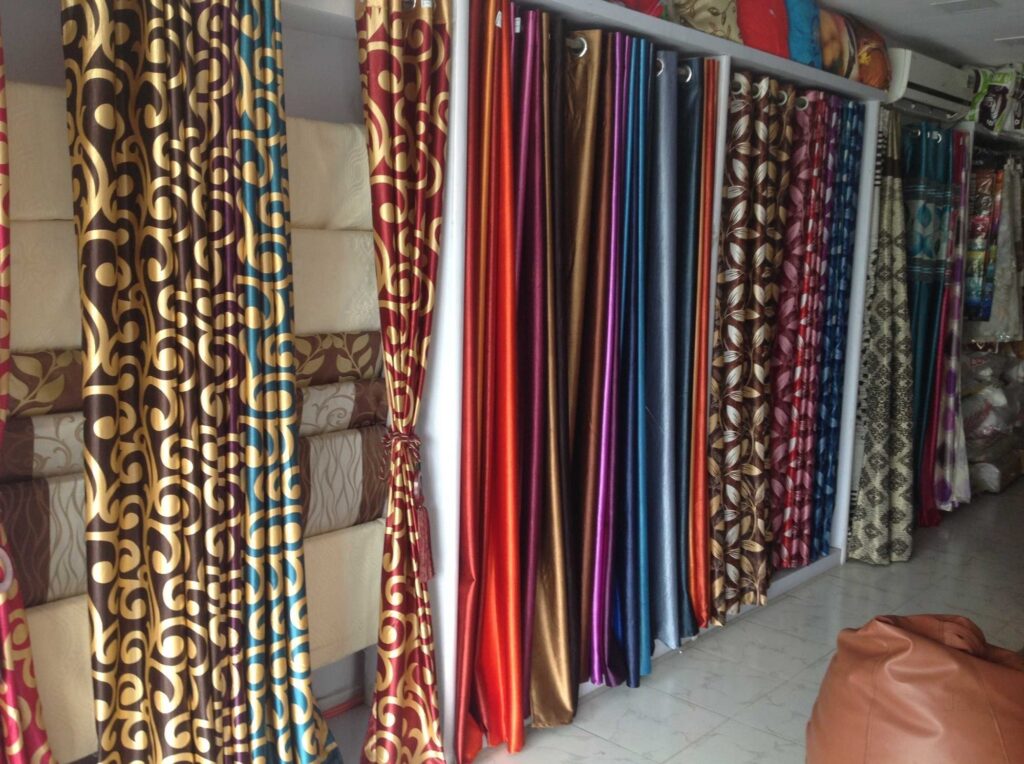
20 Excellent Ideas for Buying Curtain Fabric in Walsall, Lichfield and Birmingham
There Are A Variety Of Fabric Shops To Browse In Lichfield, From Dress To Drapery.The reputation of Lichfield as a fabric retailer is often obscured by the huge markets in Birmingham and the petty offerings in Walsall. Lichfield's shops for fabric are unique and often surprising, with the emphasis on discovering rather than bulk supply. The lines between dress fabrics, drapery and home decor get blurred within the Aladdin caves. They are a unique option for the discerning dressmaker, home-sewer, or interior designer. This guide goes beyond simple categories of retail to examine the ten reasons in detail as to why the fabric industry in Lichfield is worthy of an ardent visit, and reveals the ways that its shops and specialists provide a unique alternative to the conventional shopping experience, transforming the search for fabric by the metre into a process of inspired cross-pollination.
These are the top 10 things you need to know.
1. Designer dresses can be turned into striking curtains using the "End-of-Bolt Alchemy".
The boutiques of Lichfield frequently buy limited quantities of designer dresses. They have silks as well as fine wools and intricate jacquards. It's not economically feasible to use the remaining 3 meters on a bolt to make clothing, but it can be used to create a stunning window treatment. You might find a bridal-wear heavyweight silk dupion with the body and sheen required to create luminous, stunning curtains for a large bay window. The shops encourage the use of these leftovers in soft furnishings. You won't find the same fabric in a standard collection.
2. The Haberdashery Curtain Trimmings That Transform the ordinary
Lichfield is famous for its stunning merchandise in the form of haberdasheries. While they offer dress fabrics by the metre, their biggest strength is in trimmings. You can transform a linen curtain fabric purchased from an Birmingham market into custom-made curtains. They have a large selection of braids that are exquisite, including some in an antique design and also intricate fringes, ornate beads, and specialist tapes for making custom headings. Dressmaker-like staff will give you suggestions on how you can make your simple drapery more unique by adding a contrasting band or a silk cord.
3. The Vintage & Linen specialist: Fabrics have a biography.
Lichfield, a small town in England is the location of specialists in vintage textiles deadstock, fabrics, and European household linens. Fabrics with history and character are available in this store. A patinated French bed sheet can be converted into curtains for a more relaxed Provencal style. These shops recognize the storytelling worth of fabric. These shops are able to offer guidance on delicate restoration, sympathetic washing and the best way to cut around historical flaws.
4. The Dressmaker's eye for Drape - a better understanding of fluid motion.
Shop assistants work in the boutiques of Lichfield. They usually are dressmakers who have had formal textile training. Their understanding of how fabric behaves--its "drape" as well as its "hand"--is thus superior to the general furniture salesperson. If you mention that you would like curtains to have an elegant flowing fold rather than a stiff, formal one, they will suggest suiting fabric, particularly heavy rayons, or double-knits that are usually found in the clothing fabric department. They explain that bias (diagonal grains) can be used to create a falling effect.
5. The "Sample Library" Model: Low-Pressure Exploration of High-End Options.
As opposed to the overwhelming experience of bolt-by-bolt that a warehouse can provide, several Lichfield stores operate on an organized library system. Explore neatly organized collections of huge samples from mills across the world. They usually include upholstery fabrics as well as heavier dresses. You order a cut length of the fabric you prefer by the metre. It is delivered to the mill in just a few days. This allows customers to experience a greater range and quality of fabrics that a shop can offer.
6. The Bridge Between Birmingham Bulk, and Walsall's practicality.
Lichfield is located in the middle ground. Birmingham's size is overwhelming and Lichfield's choices are more focused. It's the perfect "second" stop on your fabric hunt. You could source your primary upholstery fabric from the Birmingham trade counter, your lining and basic cottons from a Walsall price shop and then head to Lichfield for the ideal, defining trim, the unique lining fabric (like vintage florals for curtains reverse) and the most exquisite thread to create. It adds the unique look.
7. Bespoke Service For "Unmakeable Windows"
Small and friendly, these shops excel in solving specific problems. They are the perfect location to go to for windows that aren't able to be solved by standard solutions: an arched window needing an ideally shaped pelmet small attic cases that require the use of a tiny, fully lined curtain, or the desire to incorporate a delicate precious, expensive fabric (like an heirloom embroidered dress fabric) in a drapery system. The manufacturers they recommend are used working on such a precise scale, which is almost sartorial. They treat each window as an individual piece of clothing.
8. Focus on Natural Fibres.
While chain stores are dominated by polyesters, the independents of Lichfield are a proponent of natural fibres. It is important for the environment. This includes Belgian linens (which are perfect for bedrooms because they breathe well and are hydrophilic), English wools, raw silks, as well as Belgian cottons. These textiles age gracefully. They will develop a distinct fold and a softer touch as they age. Curtains are a living, breathing textile which interacts with air and light differently every day, in contrast to the static quality of synthetic curtain fabrics.
9. Afterlife of Fabrics- Cleaning, Caring and Aging.
The duty to care is a requirement in the sale of fine fabrics per metre. The staff will be able to explain the subtle changes that a natural dye may undergo when exposed to the sun, i.e. a "patina" rather than a "fade" and the best way to iron curtains with steam made from pure linen, or even why it is not recommended to dry clean certain types of wool. This long-term approach makes a purchase into a responsibility. The majority of these companies have strong connections with dry-cleaning and restoration services. This builds a support network which will last the entire life of your clothing.
10. The Creative Catalyst.
Exploring Lichfield’s unusual fabric shops is ultimately a creative activity. It entices you to think beyond the conventional curtain section. It suggests that a thick tweed coat can be used to cover chairs. It shows how the border of a sari is a perfect curtain for a blind. It connects the craftsmanship of dressmaking--the precision, the finishing, the respect for texture and grain--to the world of interior design. It's not like leaving Lichfield with just a bag of fabric. You'll leave with a fresh perspective on what fabric can do for your home, and fueled by the multi-disciplinary, well-curated style of Lichfield's textile paradises. Follow the best fabric shops in Lichfield for blog recommendations including curtains for shop, curtains at the window, the range curtains, curtains for the window, curtains on a window, household curtains, fabric blinds, window with curtains, curtains and tracks, window blinds with fabric and more.
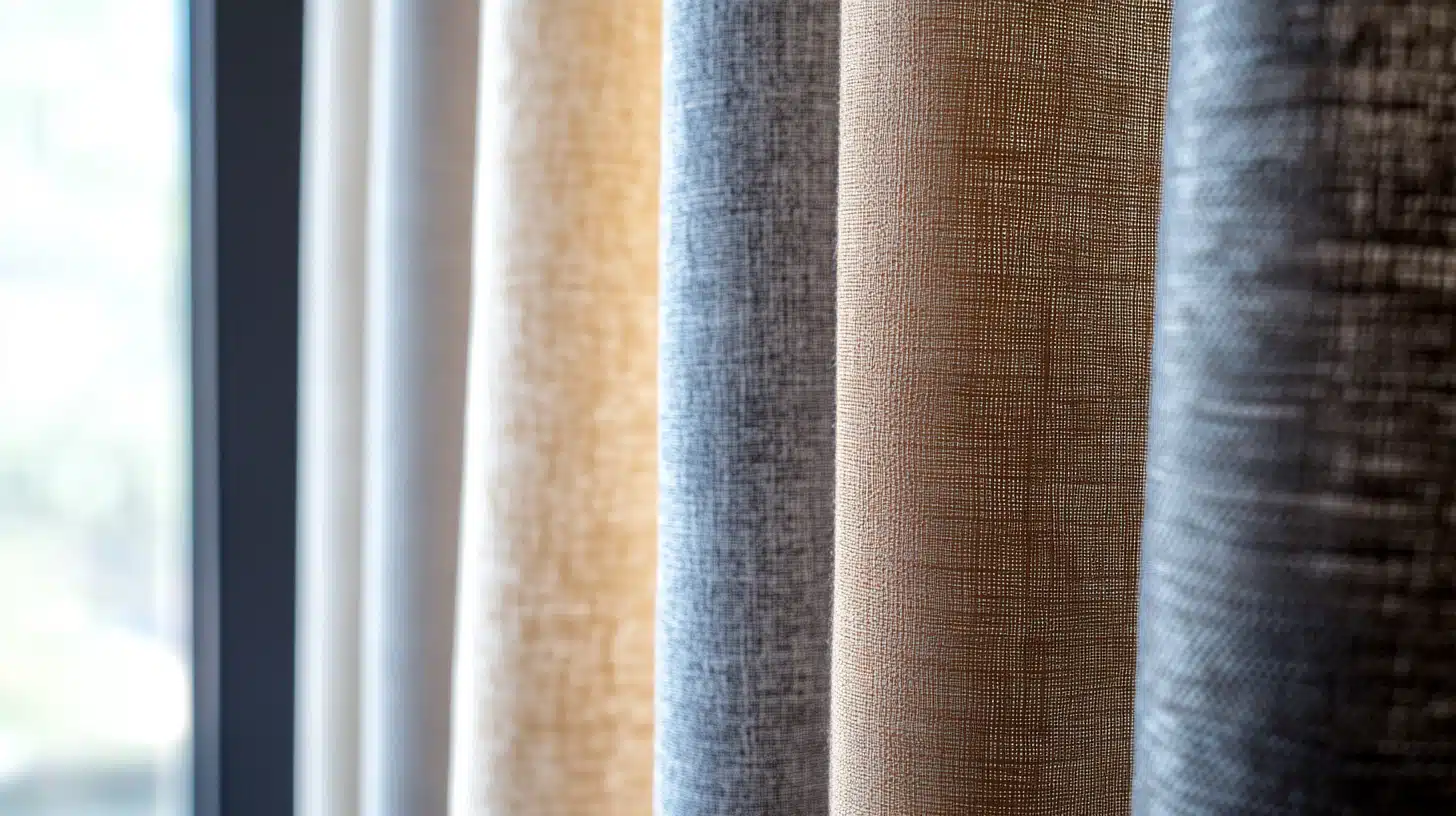
Curtain Fabric 101: Essential Questions To Ask At Any Fabric Store
A fabric store is a sensory experience regardless of whether you're in the bustling Birmingham market hall or in a practical Walsall home store or a well-curated Lichfield shop. The distinction between leaving with the ideal fabric for your custom made curtains and leaving with a costly mistake often copyrights not on what you can see, but on what you are asking. The most common questions provide an unhelpful and generic answer. This guide will arm you with ten crucial technical questions that will transform your experience from a passive browse into a discussion. These questions will help you get past the sales pitch to discover the essence and qualities of the material, and draw on the specific knowledge of different stores.
Find the Top 10 Things You must know.
1. "What is the fiber composition and weave name?"
Don't take the stance that "it appears to be linen" or "it is a blend of cotton." Don't settle for "it's a linen look" or "a cotton blend." Are you buying 100 percent flaxline, a linen/viscose mixture (softer, more wrinkly) or printed polyester with linen effect? The names of the weaves such as sateens and twills, ottomans, etc. - provide information about the structure the durability, strength, light reflection, and other characteristics. The Birmingham trade counter will know this from the roll's ticket. In Lichfield the counter at Lichfield could provide you with the background of an important Belgian linen association. It's the basic information that affects more the care, drape and longevity than color.
2. "What is the fabric width and can it be "railroaded" to suit my project?"
It's a mistake think that all curtain fabric are narrower than 137cm (54"). Some dress fabrics measure 115cm, while others measure 150cm. The fabric's width will affect your metreage planning and seam planning. You can inquire about "railroading". Does the pattern be run horizontally on the bolt? You can cut the curtain to the desired length by dividing the width. This question may not be frequently asked in the Walsall shop however contracting suppliers from Birmingham will understand the importance of this feature for large windows and commercial projects.
3. "What pattern repeats, and does it appear like an uncut or straight fit?"
This question separates the casual from the serious. For calculating yardage, the repeating of the pattern (e.g. 24,cm) is crucial. Also, you must inquire if it's an "straight match" or a "dropped match". A straight match aligns horizontally across the width. A dropped (or half-drop) match is similar to bricks, which requires more fabric to align the panels in a seamless manner. An assistant in Lichfield will demonstrate this using the help of a bolt. If you don't ask, you may end up buying 20% less fabric for custom-made curtains with patterned patterns.
4. Can I see a bit of your cut in the room light for 24 hrs?
Color metamorphosis can be the biggest mistake when it comes down to fabric choice. Gold under fluorescent lighting will appear like a mustard shade in daylight. A gray may appear blue. From an Birmingham market stand to the Lichfield shop, any reputable store should be able to loan or sell you a substantial piece (at minimum of A4 size). Beware if they only offer the size of a stamp or do not want to provide one. This test is essential for custom-made drapes since a significant investment depends on the colour accuracy.
5. The fabric is appropriate for the purpose I want to use it for it: light-use or heavy domestic use?
This will define your requirement with industry-specific terms. The phrase "heavy domestic" refers to a product which can withstand the daily demands in the living area of the family. "Contract Grade" (found in Birmingham Warehouses) is ultra-durable and has particular fire ratings for public areas. It is a way to show the seller how well you are aware of the performance requirements by asking. They won't recommend light voiles or delicate dress fabrics for a patio that has high traffic. This is common in the fabric stores.
6. How can the fabric change by cleaning?
The answer "dry-clean only" is simply lazy. Press for detail. Can it be steamed cleaned on site? Do you think water spots will occur? Also, you should inquire about the fabric's aging. Will linen soften beautifully? The colours of printed cotton wear off after the first cleaning? Do sateen finishes lose its shine? An expert in Lichfield could talk about the patina and durability of natural fibres. A Walsall shop might be focused on the benefits of wipe-clean coatings.
7. "Can I get a suggestion for an appropriate lining or interlining? And do you carry these?"
The fabric that covers the face is a single layer. A reputable shop will look at the whole project. This test will assess their technical skills and shows if they are a single source of information. They must offer suggestions on the kind of lining suitable for your natural fibres (cotton sateen) blackout linings suitable for bedrooms and the weight of bump interlining (cotton or synthetic). Birmingham trade shops may offer various types of interlinings. Walsall smaller stores may have only one. Lichfield boutiques could order top-quality choices.
8. Can you recommend local curtains manufacturers?
This question is a glimpse into the local ecosystem. It is possible to gain a lot from their answers regardless of whether you're making plans for a DIY. An establishment that has strong and long-standing connections with a variety of experienced curtainmakers is devoted to positive outcomes. It is unlikely that you will be sold an item that isn't suitable for making up. They might have a connection to a shop located in Birmingham or Lichfield they might be able to recommend an artisan on a small scale, who is meticulous. In Walsall you can find services that are focused on the value. This network is a hidden asset of a good fabric shop.
9. "What is the purpose of its light filtering and UV stabilization?"
Do not stop with "is it thin?" Find out how it affects light. Does it block out light, create an atmosphere, or diffuse glare? Ask about UV stability. The UV rays that emanate from the sun can fade and cause degradation of dyes. Certain fabrics are constructed with UV inhibitors. This is a crucial aspect for windows facing south. Technical data will be accessible from an Birmingham supplier of hospitality projects. Answering this question will aid you in making a decision regarding the fabric you choose for your lining and help inform your expectations on what it will look like in five years.
10. "What is your policy on the final sale? Do you save any cuttings to be used in the future?"
This is a logistical problem that safeguards you. In most cases, once the fabric is sold at the metre, it's an end-to-end transaction. Confirm. In addition, inquire if they keep an "cuttings file"--a small piece of fabric labelled with your name and the product code/batch number. If you'll need additional fabric later for an extra cushion, or for repair damaged areas, matching the dye lot isn't possible without this. This service is offered by a well-organized store, especially in Lichfield and Birmingham to show that they aren't just retail store but also partner in the ongoing achievement of your venture.